Wool batts
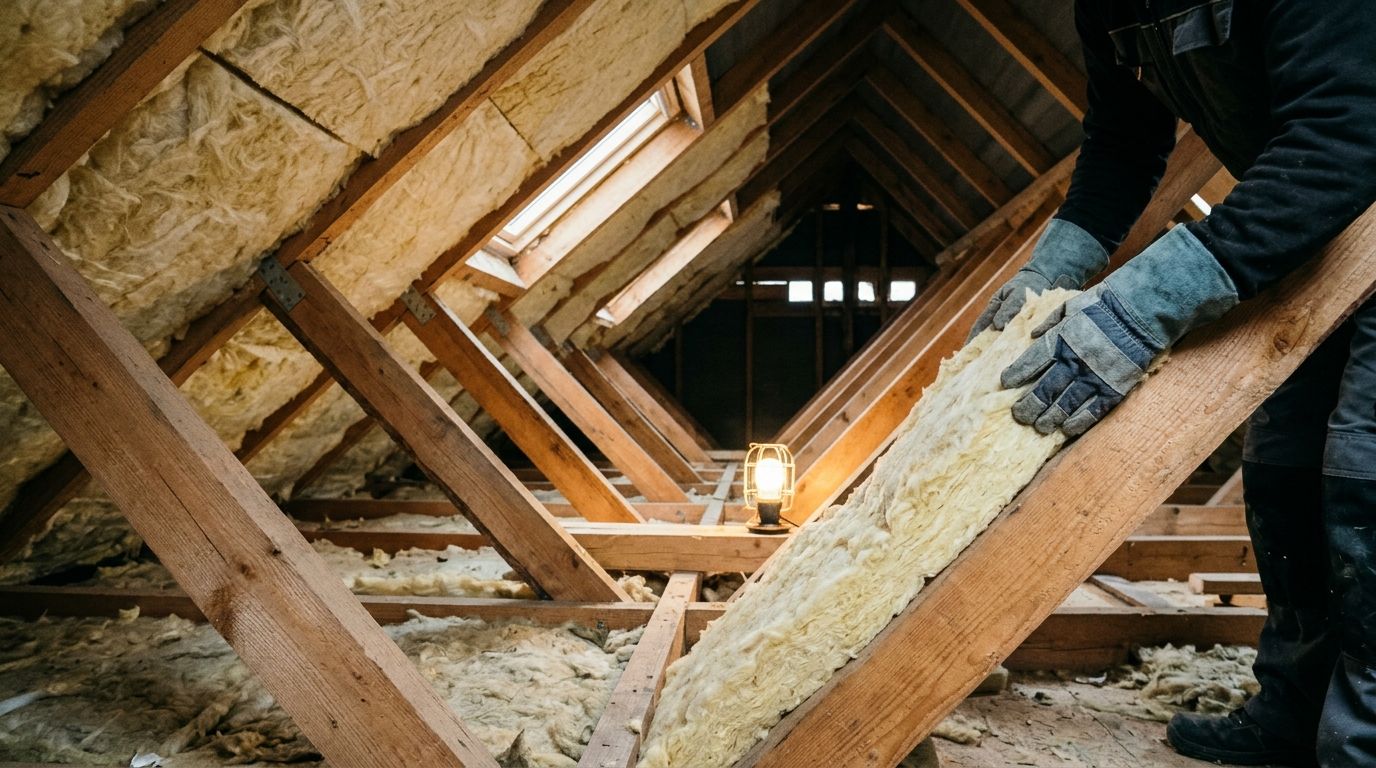
We insulate pitched roofs, timber-frame walls and partitions with wool batts and rolls cut exactly to each gap.
Facts
- thermal conductivity, W/mK
- λ 0.032–0.037
- cut wider than the gap
- +10 mm
- fire class: non-combustible
- A1
- with staggered joints
- 2 layers
Batts are mineral wool boards and rolls. They suit places where the wool has to hold itself in place: between rafters in a pitched roof, in timber-frame walls, partitions and floors on joists.
We cut each batt slightly wider than its gap so it presses in without cracks, and lay the second layer across the joints of the first. That way heat finds no straight path out.
Where we fit it
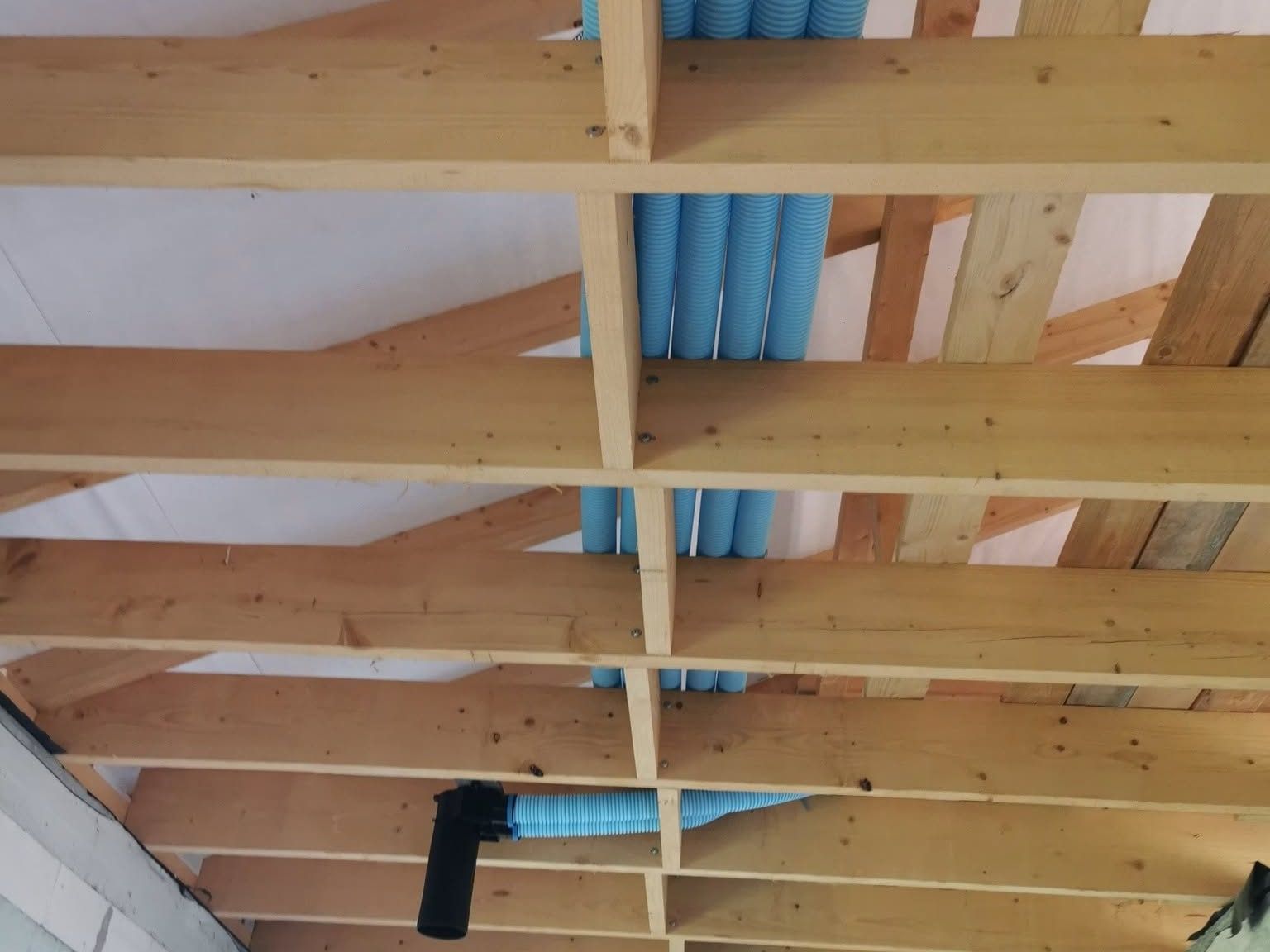
- Pitched roofs, between and under rafters
- Timber-frame house walls
- Interior partitions: heat and sound
- Floors on joists
- Attic rooms and mezzanines
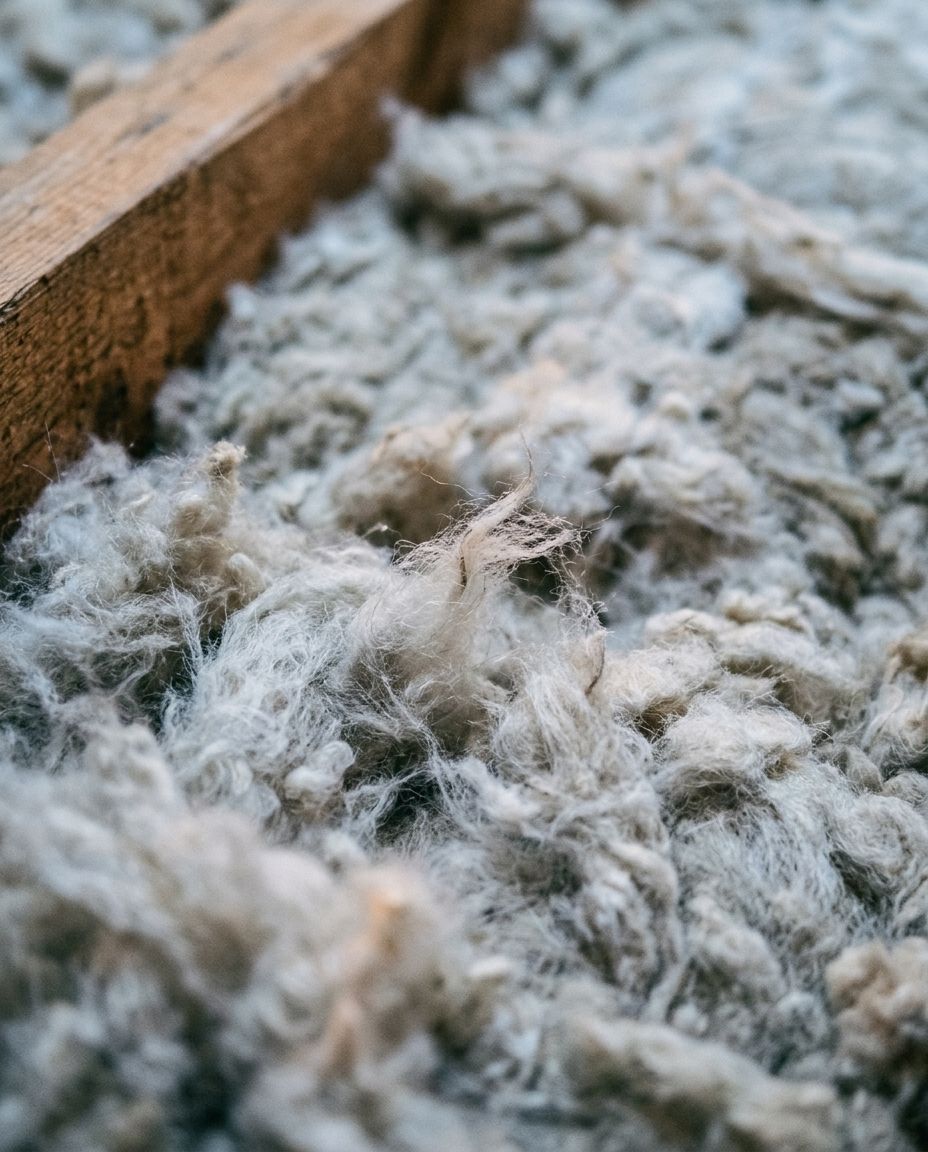
How we work
We measure
We measure the gaps between rafters or studs and choose the batt thickness and quantity.
We fit
We cut batts on site, press them in without cracks and lay the second layer crosswise.
We close up
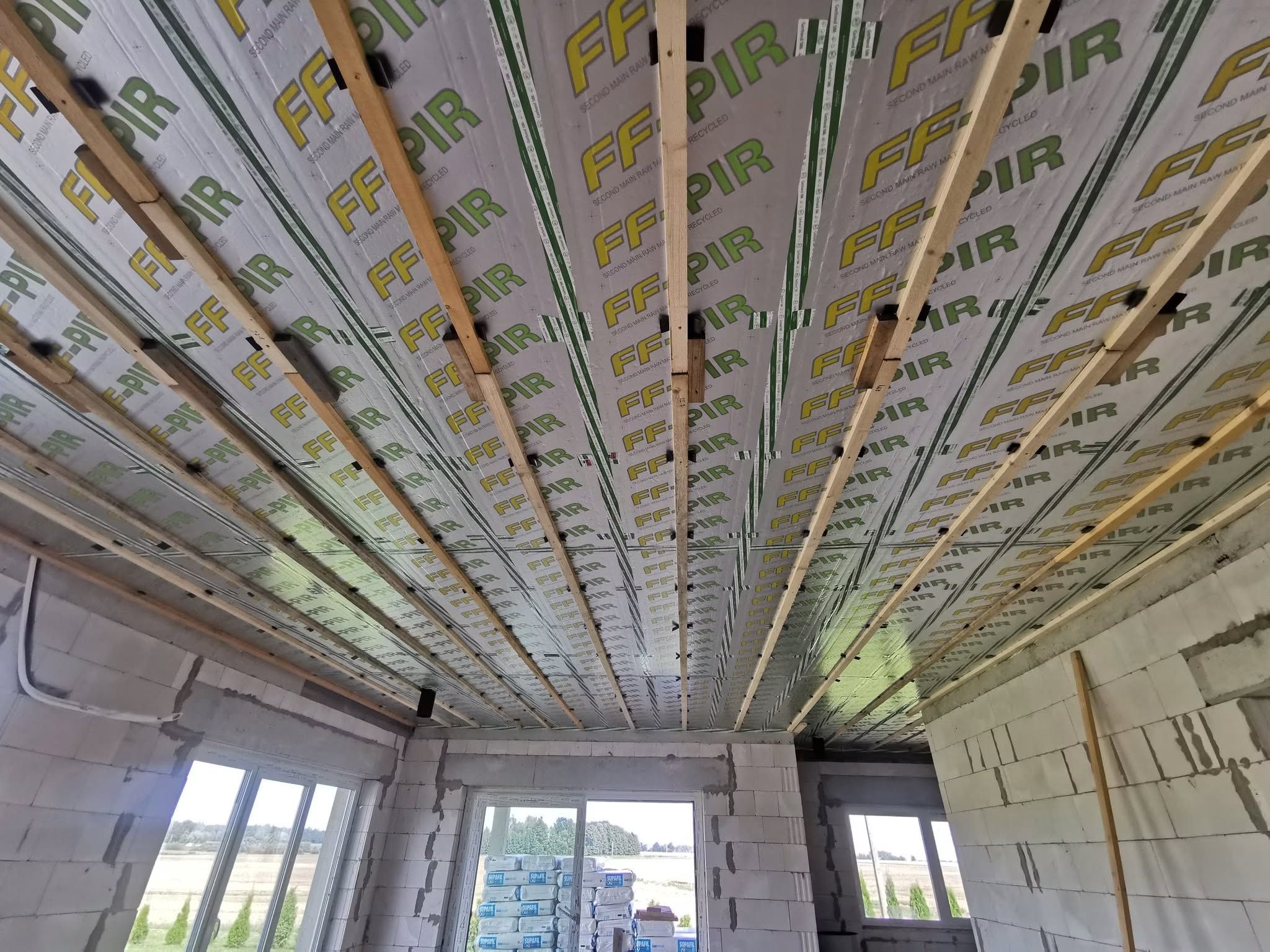
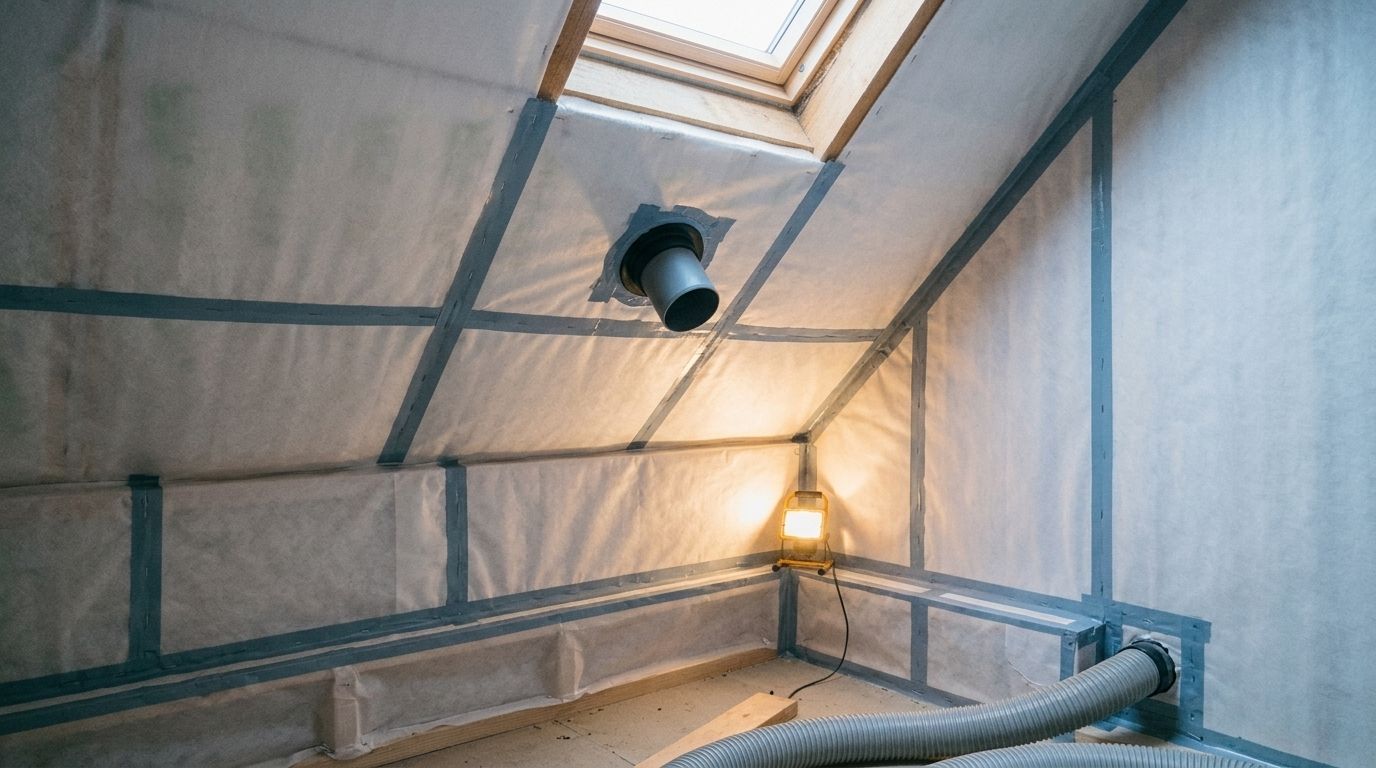
We cover the warm side with a vapour control membrane and seal its joints.
Questions
How do batts differ from blown wool?
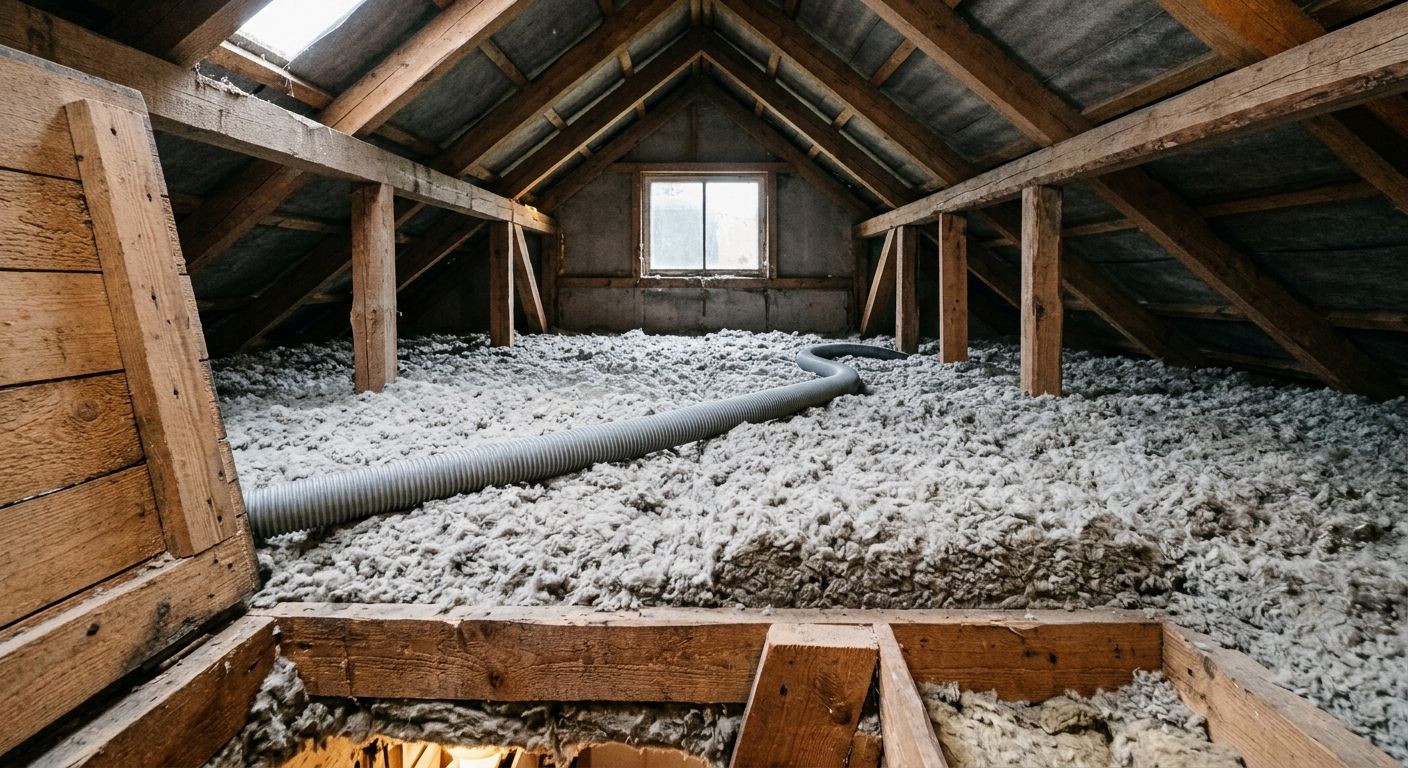
The material is the same; the form differs. Batts stay put in vertical and sloping places, while blown wool is best for horizontal ceilings and closed cavities.
Does wool in partitions reduce noise?
Yes. Mineral wool in a partition absorbs sound, so far less is heard between rooms.
Is a vapour control layer necessary?
In heated rooms, yes. Without it, moisture from the rooms gets into the wool, which then gets damp and insulates worse.
Request a quote
Tell us what you want insulated and where. We will reply with a price.